


Introduction
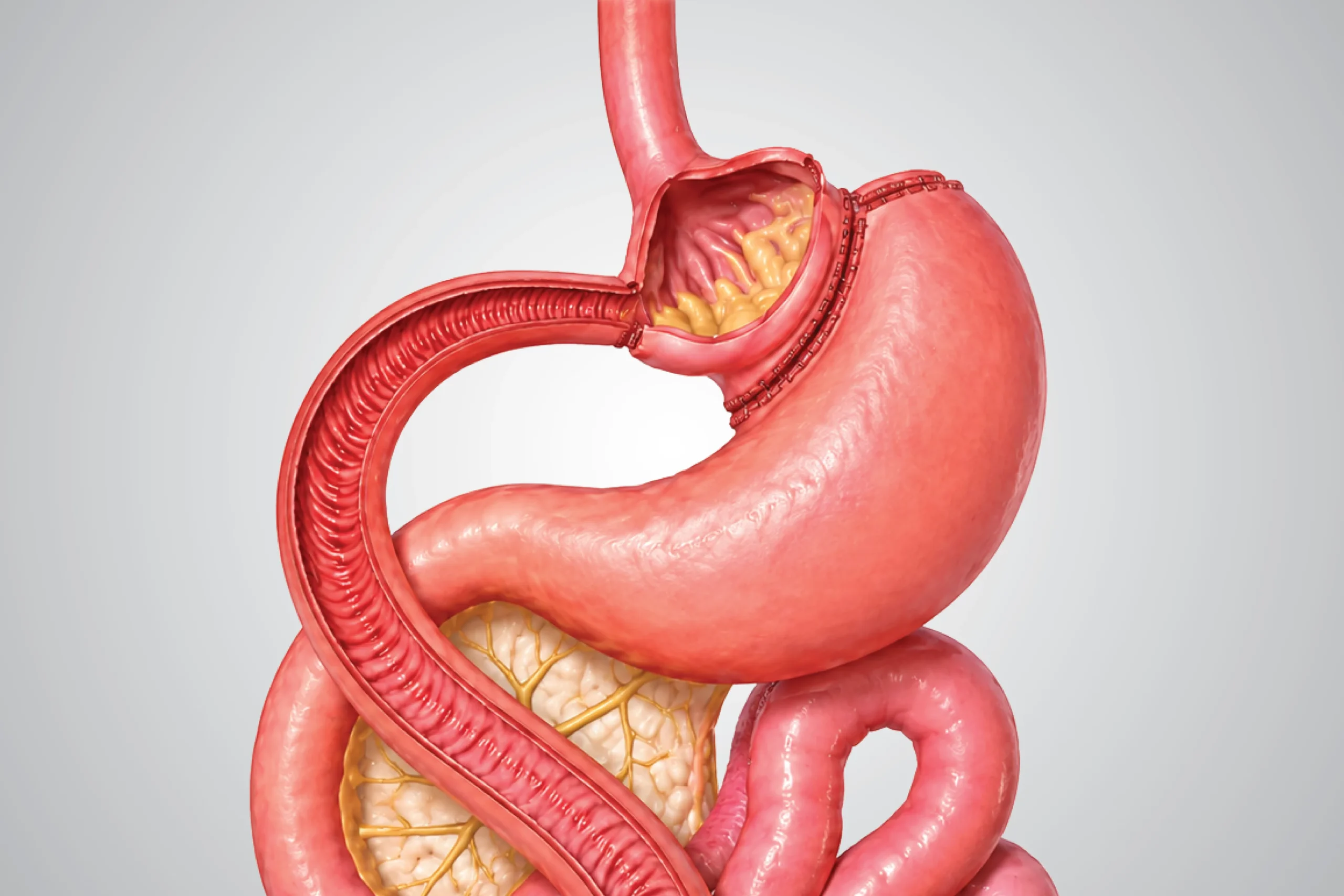
Sleeve bypass surgery refers to a group of advanced bariatric procedures that combine the restrictive effects of sleeve gastrectomy with the metabolic benefits of intestinal bypass. Unlike traditional sleeve gastrectomy, which focuses primarily on reducing stomach size, sleeve bypass procedures also alter nutrient flow through the intestine to enhance weight loss and improve obesity-related conditions such as type 2 diabetes, hypertension, and metabolic syndrome.1,2
Several sleeve-based procedures are now used in clinical practice:
- Sleeve Gastrectomy with Transit Bipartition (SG-TB), which creates an additional pathway for food to reach the lower intestine.3
- Single-Anastomosis Sleeve Ileal Bypass (SASI), a single-anastomosis simplification of transit bipartition.2
- Sleeve Gastrectomy with Jejunal Bypass (SGJB), which combines sleeve gastrectomy with selective intestinal bypass.4
- Single-Anastomosis Duodeno-Ileal Bypass with Sleeve Gastrectomy (SADI-S), a simplified adaptation of the duodenal switch procedure.1
- Duodenojejunal Bypass with Sleeve Gastrectomy (DJB-SG), often considered for patients with obesity and type 2 diabetes.5
Although these procedures differ in surgical design, they share a common goal: reducing stomach capacity while harnessing hormonal and metabolic changes that support long-term weight loss and improved metabolic health.
Among the various bariatric procedures available today, gastric bypass surgery remains one of the most extensively studied bariatric operations, with decades of clinical evidence supporting its effectiveness and safety profile.6
Understanding the sleeve bypass procedure
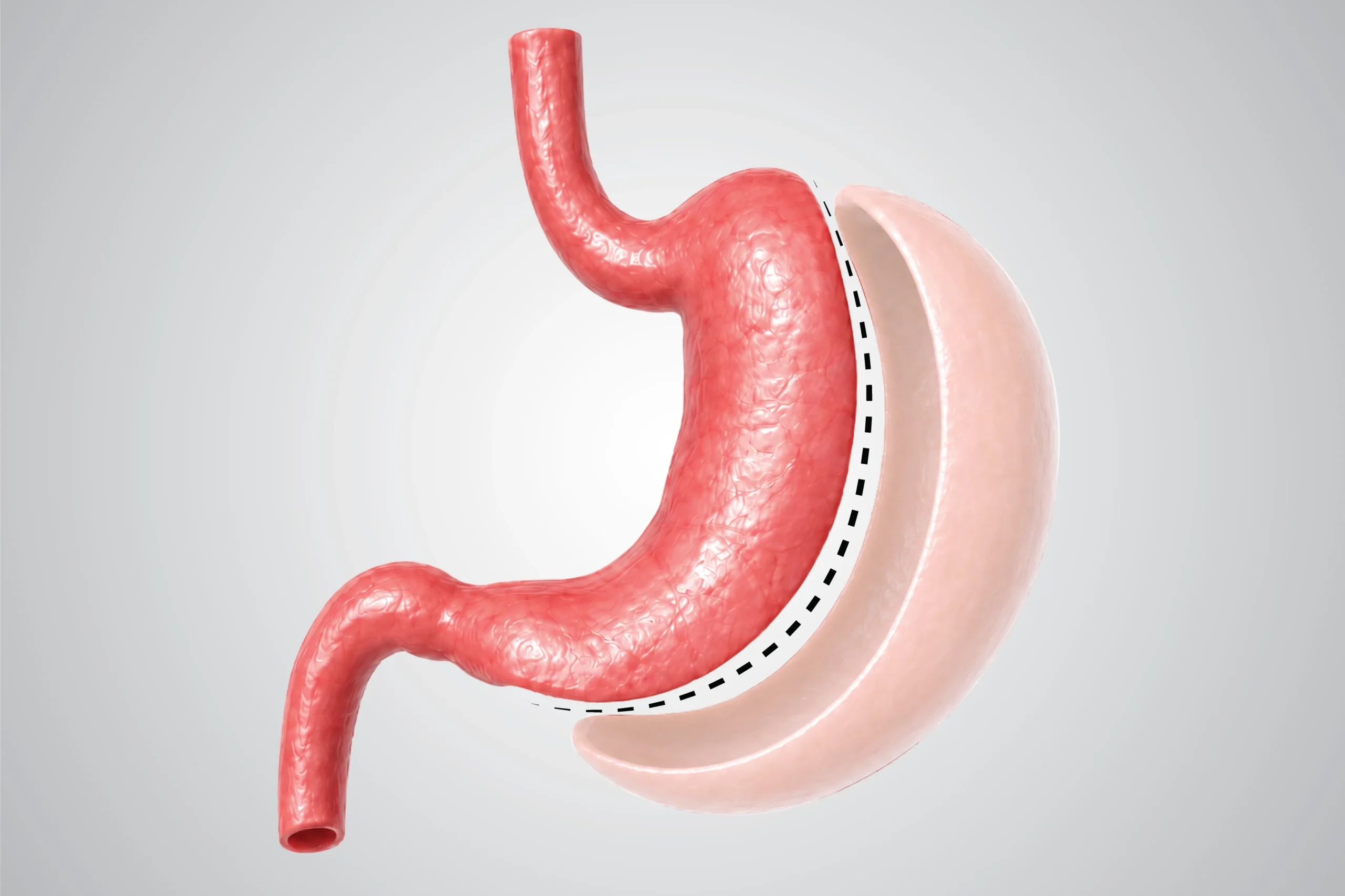
A sleeve bypass begins with a sleeve gastrectomy, during which approximately 70–80% of the stomach is removed, leaving a narrow, sleeve-shaped stomach. Unlike standalone sleeve gastrectomy, an additional intestinal bypass component is incorporated to enhance hormonal and metabolic effects. 1,7
This dual approach aims to:
- Reduce food intake
- Promote earlier satiety
- Improve glucose metabolism
- Enhance weight-loss outcomes
- Improve obesity-related comorbidities
How does sleeve bypass work?
Modern bariatric surgery is increasingly recognized as metabolic surgery, and sleeve bypass procedures exemplify this concept.
Key mechanisms of action and their benefits
| Mechanism | Clinical effect |
| Sleeve gastrectomy | Reduces stomach capacity |
| Reduced ghrelin production | Decreases hunger |
| Enhanced GLP-1 secretion | Improves satiety and glucose control |
| Increased PYY release | Promotes fullness |
| Altered nutrient delivery | Improves metabolic function |
| Intestinal bypass | Supports diabetes improvement |
Research suggests that these hormonal changes contribute significantly to weight loss and metabolic improvement, often occurring before substantial weight reduction is observed. 7
Benefits of sleeve bypass surgery
Significant weight loss
Obesity affects more than one billion people globally and remains a leading contributor to chronic disease burden worldwide.8 Studies evaluating sleeve bypass procedures have demonstrated substantial weight loss outcomes, often comparable to or exceeding those observed with conventional bariatric procedures in appropriately selected patients.2
Improvement in type 2 diabetes
One of the major reasons sleeve bypass procedures have gained interest is their metabolic effect.
By delivering nutrients more rapidly to distal portions of the intestine, these procedures stimulate gut hormones involved in glucose regulation. Several studies have reported significant improvements in glycemic control and diabetes remission rates following sleeve-based bypass operations.7
Improvement in obesity related symptoms
Patients may also experience improvements in hypertension, dyslipidemia, obstructive sleep apnea, non-alcoholic fatty liver disease, and metabolic syndrome. These benefits contribute to overall cardiovascular and metabolic health.
Who qualifies for sleeve bypass surgery?
Candidate selection is critical to achieving successful outcomes. Patients may be considered suitable candidates if they have the following characteristics: 9,10
- BMI ≥35 kg/m², regardless of the presence, absence, or severity of obesity-related conditions
- BMI 30–34.9 kg/m² with metabolic disease such as type 2 diabetes
- In Asian populations, adjusted thresholds apply: clinical obesity begins at BMI ≥25 kg/m², and surgery may be offered from BMI ≥27.5 kg/m²
- Inadequate response to non-surgical weight-loss interventions
- Motivation to commit to long-term lifestyle changes
Risks and considerations
Like all bariatric procedures, sleeve bypass surgery carries potential risks and requires long-term follow-up. Potential early complications include bleeding, infection, leakage from surgical connections, and blood clots. Although uncommon, these complications should be discussed before surgery.
Because intestinal bypass is involved, nutritional deficiencies of iron, vitamin B12, calcium, and protein may occur. Lifelong supplementation and regular follow-up are essential components of postoperative care2. The risk is not uniform across procedures: variants that divert a longer segment of intestine carry a higher risk of protein malnutrition, and published series have reported cases requiring surgical revision of the bypass limb.2
Sleeve bypass vs Gastric bypass
Patients often ask how sleeve bypass differs from traditional gastric bypass.1,6
| Feature | Sleeve Bypass | Gastric Bypass (RYGB) |
| Sleeve gastrectomy performed | Yes | No |
| Small gastric pouch | No | Yes |
| Pylorus preserved | Usually | No |
| Intestinal bypass | Yes | Yes |
| Diabetes improvement | Excellent | Excellent |
| Long-term evidence | Emerging | Extensive |
While both approaches are effective, the most appropriate procedure depends on individual patient characteristics, health goals, and surgeon recommendations.
How bariatric surgery supports long-term health?
Obesity is increasingly recognized as a chronic disease requiring long-term management. While nutrition, exercise, behavioral modification, and medical therapies remain important, some individuals may require surgical intervention to achieve meaningful and durable results.7
Sleeve bypass procedures represent one of several evidence-based bariatric options available today. By combining anatomical changes with powerful metabolic effects, these procedures may help reduce obesity-related complications and support long-term health outcomes. The optimal procedure should always be selected following a comprehensive evaluation by a qualified bariatric specialist.10,11
When to speak with a Specialist?
Consider seeking specialist guidance in case of:
- Excess weight affecting daily activities or quality of life.
- Obesity-related conditions such as diabetes or hypertension.
- Unsuccessful multiple weight-loss attempts.
- BMI falls within obesity ranges.
- Recommendation provided by healthcare provider.
Early intervention may help reduce the risk of long-term obesity-related complications.
Conclusion
Sleeve bypass surgery represents an evolving category of bariatric procedures that combines the restrictive benefits of sleeve gastrectomy with the metabolic advantages of intestinal bypass. By promoting substantial weight loss and improving obesity-related conditions, these procedures have emerged as promising options for carefully selected patients.
As bariatric surgery continues to evolve, understanding the differences between sleeve bypass, sleeve gastrectomy, and gastric bypass can help patients make informed decisions about their treatment journey.