Discover
Lap-Band®
2.0 FLEX
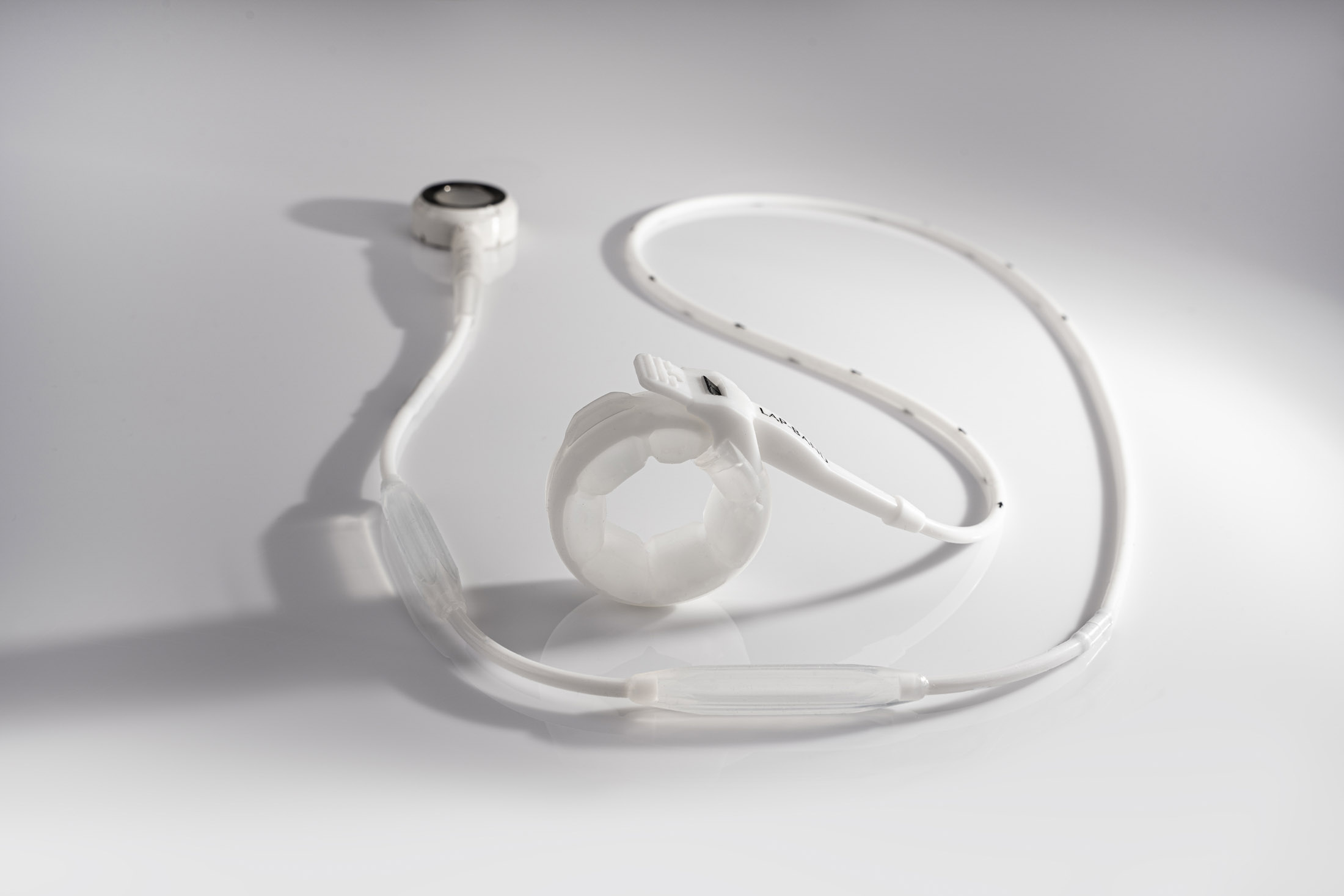
The Lap-Band® 2.0 FLEX is the latest innovation in weight loss solutions, designed for comfort and results.

The Lap-Band® 2.0 FLEX is the latest innovation in weight loss solutions, designed for comfort and results.
Featuring advanced FLEX Tubing technology, this next-generation system is designed to provide a FLEXible weight loss experience tailored to your needs. The Lap-Band 2.0 FLEX Tubing allows for lower internal band pressure, and greater fill volume.
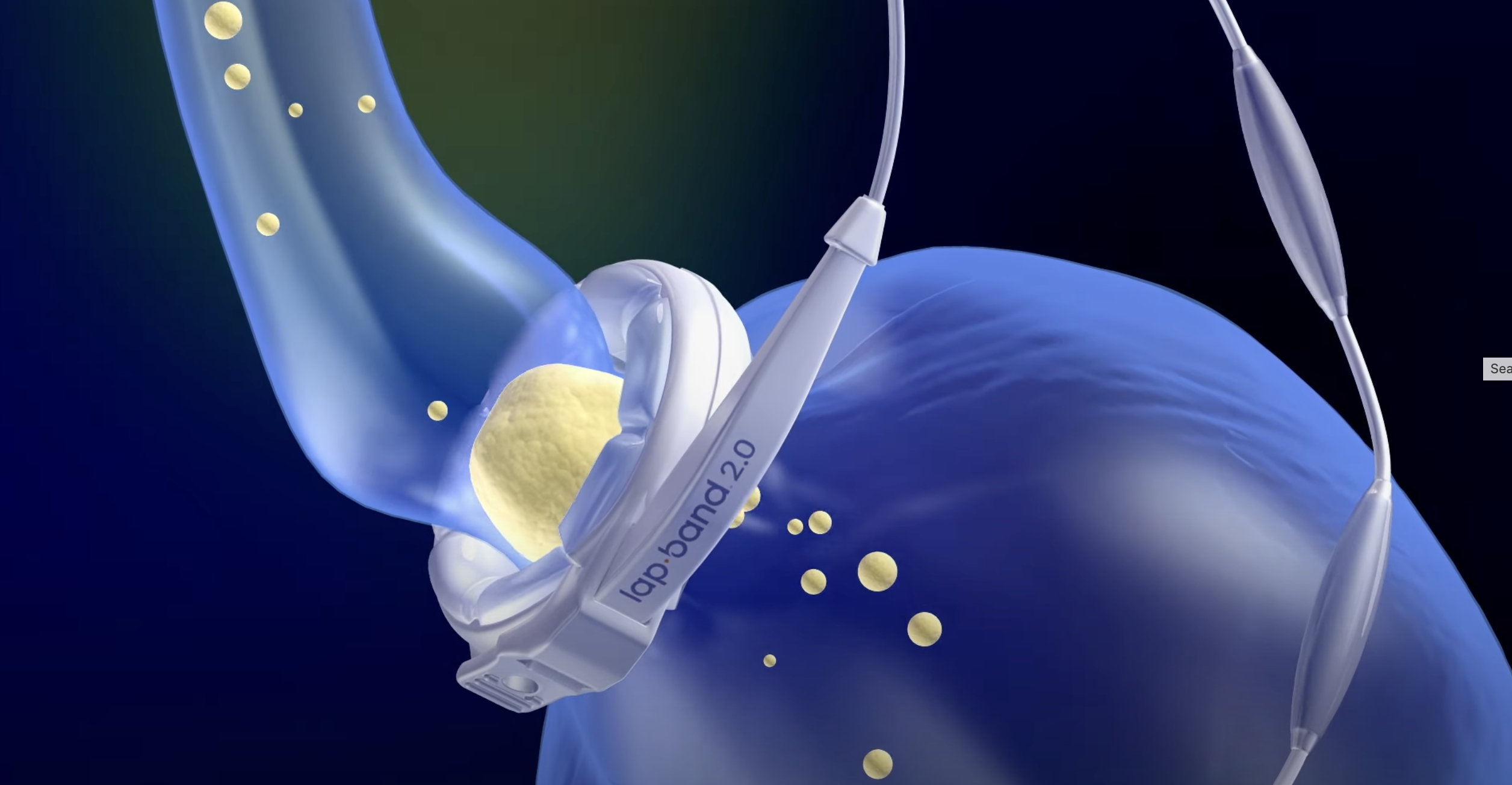
The FLEX Tubing allows the band to modulate the internal band pressure to reduce the potential of a high-pressure or “red-zone” event, such as swallowing a large, unchewed bolus of food.
The FLEX Tubing allows the fluid inside the band cuff to flow from the band into the tubing, allowing the band’s stoma to temporarily dilate.
Once the bolus passes, fluid returns to the band cuff from the FLEX Tubing, regaining its original pressure and staying in the “green zone.”
The FLEXibility you need to develop your new healthy eating habits.
Find out why Lap-Band® is the right fit for your weight loss journey.
The Lap-Band Systems are approved for adults with a Body Mass Index (BMI) of 40 or higher, or a BMI of at least 30 with health conditions related to obesity, who have not seen success with other weight loss methods, like supervised diet, exercise, and behavior modification programs. Choosing this surgery means committing to changes in eating habits for the long term.
The Lap-Band procedure is not approved for individuals under 18 yo, those with conditions that may make them poor surgical candidates or lead to poor results, such as inflammatory or cardiopulmonary diseases, problems with the stomach and digestion, symptoms or family history of autoimmune disease, scarring of the liver, individuals unable or unwilling to follow the necessary dietary restrictions, individuals with alcohol or drug addictions, or those currently pregnant. Individuals who become pregnant after band placement may require deflation of their bands.
The Lap-Band Systems, a long-term tool, may need to be adjusted if you get pregnant, sick, or malnourished. Be careful with anti-inflammatory drugs as they could make the band wear away. Like any surgery, placement of the Lap-Band may have complications such as risks from drugs and methods used, general surgery risks, how well your body handles a foreign object, or in rare cases, risk of death.
As with any surgical procedure, there are risks associated with metabolic and bariatric surgery that you and your doctor should discuss. Potential risks associated with the Lap-Band include nausea, vomiting, heartburn, stomach blockage, constipation, swallowing difficulty, diarrhea, abnormal stools, abdominal pain, weakness, incision pain, infection, fever, hernia, chest pain, band movement, stomach pouch expansion, unusual healing, pain at the port site, port movement, and/or hair loss. Additional surgery might be needed. Losing weight quickly could lead to complications requiring more surgery.
Talk to your doctor, and/or visit our website at www.lapband.com/safety/ for more information on its benefits and risks.
CAUTION: Rx Only