


This detailed article teaches us as to how sleeve gastrectomy works, expected weight loss, recovery timeline, benefits, risks, and whether bariatric surgery is right for you.
Introduction
Sleeve gastrectomy, also known as gastric sleeve surgery, is one of the most commonly performed bariatric procedures worldwide. It helps individuals with obesity achieve significant and sustainable weight loss by reducing stomach size and influencing hunger-regulating hormones. For many people struggling with obesity, weight-related health conditions, and repeated dieting failures, sleeve gastrectomy offers a clinically proven pathway toward improved health and quality of life. Research shows that bariatric surgery can lead to substantial long-term weight reduction while improving conditions such as type 2 diabetes, hypertension, sleep apnea, and cardiovascular risk factors.¹,²
In this article, we’ll explore how sleeve gastrectomy works, who qualifies, its benefits, risks, recovery process, and how it compares to other weight-loss solutions.
Understanding Sleeve Gastrectomy
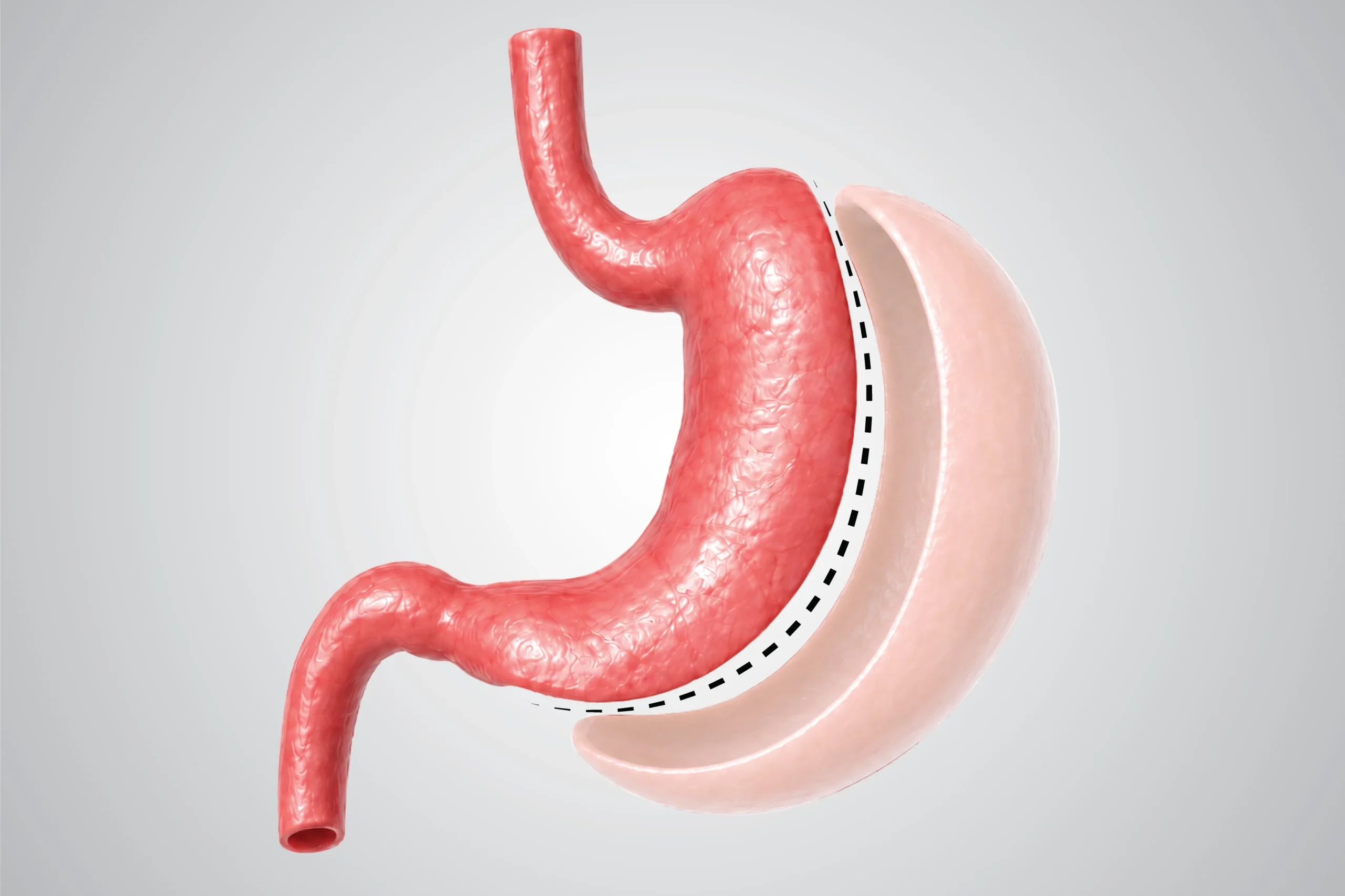
Sleeve gastrectomy is a minimally invasive bariatric surgery in which approximately 75%–80% of the stomach is removed, leaving behind a narrow, sleeve-shaped stomach.³
The Mechanism of Action of Sleeve Gastrectomy
| Mechanism | Effect |
| Smaller stomach capacity | Patients feel full after eating in small portions |
| Reduced ghrelin production | Leads to decreased hunger & appetite |
| Improved metabolic response | Ensures better blood sugar regulation |
| Sustainable caloric reduction | Supports long term weight loss |
Who Is a Candidate for Sleeve Gastrectomy?
According to bariatric surgery guidelines, candidates typically include adults who meet one or more of the following criteria:⁴
BMI Eligibility
| BMI Category | Eligibility |
| BMI ≥ 40 | Eligible regardless of associated conditions |
| BMI ≥ 35 | Eligible with obesity-related health conditions |
| BMI ≥ 30 | May qualify if type 2 diabetes is difficult to control |
Additionally, patients might also have common obesity-related conditions such as: Type 2 diabetes, high blood pressure, obstructive sleep apnea, heart disease, fatty liver disease, joint and mobility problems. A bariatric surgeon conducts a comprehensive evaluation to determine whether sleeve gastrectomy is the most appropriate treatment option.
Key Benefits of Sleeve Gastrectomy
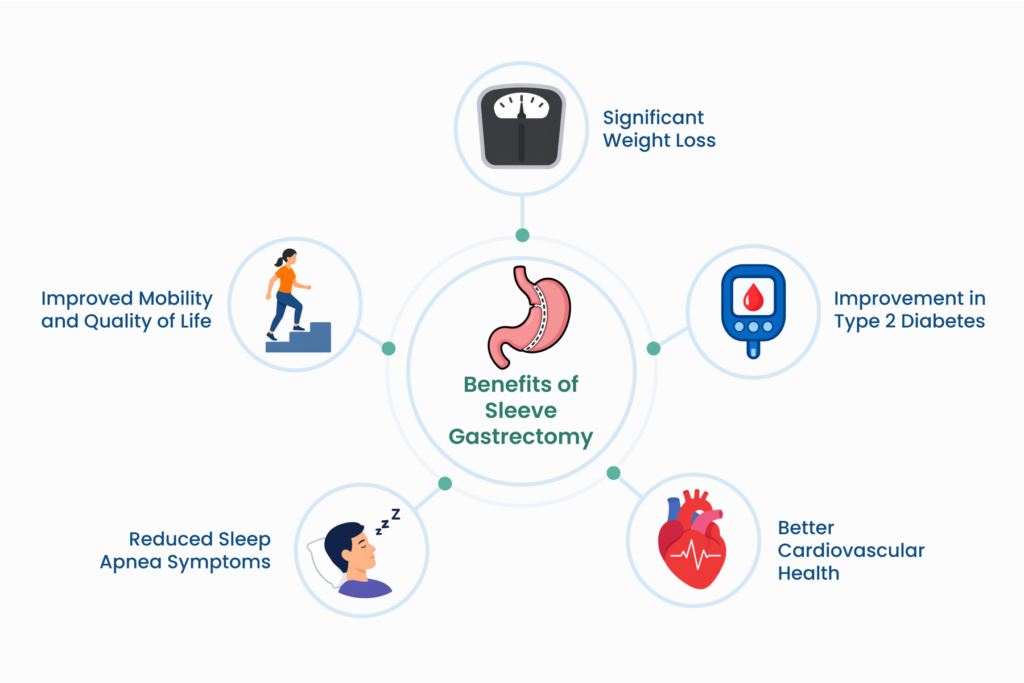
Significant Weight Loss: Patients may lose approximately 60% of excess weight within six months and up to 77% of excess weight within the first year following bariatric surgery. ⁵
Improvement in Type 2 Diabetes: Bariatric surgery has demonstrated substantial diabetes remission and improved blood sugar control. Studies have shown remission rates as high as 72% after two years. ⁶
Better Cardiovascular Health: Weight-loss surgery is associated with improvements in blood pressure, cholesterol levels, and cardiovascular outcomes. Research has linked bariatric surgery to a reduction in mortality and cardiovascular events. ⁶
Reduced Sleep Apnea Symptoms: Weight reduction following sleeve gastrectomy frequently improves obstructive sleep apnea and overall sleep quality. ⁷
Improved Mobility and Quality of Life: Many patients experience reduced joint pain, increased physical activity, and enhanced emotional well-being following significant weight loss. ⁸
Potential Risks and Considerations
Like all surgical procedures, sleeve gastrectomy carries potential risks. Some of the short-term risks involve; bleeding, infection, blood clots, staple-line leaks, anaesthesia-related complications⁹. The long-term risks are; gastroesophageal reflux disease (GERD), nutritional deficiencies, weight regain, gastric narrowing (stenosis), need for revision procedures.¹⁰,¹¹ It is important to understand that bariatric surgery is a tool and not complete a cure. Long-term success depends on sustained lifestyle modifications and ongoing follow-up care.
Recovery After Sleeve Gastrectomy
Most patients undergo laparoscopic surgery and return home within one to three days.
Typical Recovery Timeline
| Time | What To Expect |
| Week 1 | Liquid Diet |
| Weeks 2-4 | Introduction of Soft Foods |
| Month 1 | Gradual Return to Routine |
| Weeks 6-8 | Resume Most Activities |
| Months 6-12 | Maximum Weight Loss Phase |
Patients receive nutritional counselling, supplementation guidance, and long-term monitoring throughout their journey.
How Sleeve Gastrectomy Fits Into Long-Term Obesity Care
Obesity is a chronic disease, not simply a matter of willpower. Modern obesity treatment increasingly recognizes that biological, hormonal, metabolic, and environmental factors all influence body weight.
For individuals who have struggled to achieve sustainable weight loss through diet, exercise, behavioural therapy, or medications alone, bariatric surgery may provide a medically supported solution. Research consistently demonstrates that metabolic and bariatric surgery produces greater long-term weight loss than non-surgical interventions alone. ²,¹³
Successful outcomes depend on:
- Nutritional compliance, physical activity, regular medical follow-up, psychological support, lifelong healthy habits
When integrated into a comprehensive obesity management program, sleeve gastrectomy can serve as a powerful catalyst for lasting health improvements.
Warning Signs: When to Contact Your Doctor
Seek medical attention immediately if you experience: persistent vomiting, severe abdominal pain, fever above 100.4°F (38°C), chest pain, difficulty swallowing, signs of dehydration, rapid heartbeat, and unusual bleeding. Prompt intervention helps reduce the risk of serious complications.
Conclusion
Sleeve gastrectomy has transformed the treatment landscape for obesity and obesity-related health conditions. By reducing stomach capacity and influencing appetite-regulating hormones, it helps patients achieve meaningful and sustained weight loss while improving overall health outcomes. For individuals who have struggled with traditional weight-loss methods, bariatric surgery may offer a clinically proven path forward.
If you’re exploring advanced obesity treatment options, Medtimo can help you understand whether bariatric solutions—including Sleeve Gastrectomy or the Lap-Band® system—may be appropriate for your individual health goals. Schedule a consultation with a qualified bariatric specialist to learn more.
Copyright © Medtimo. All Rights Reserved.