
Discover how GLP-1 medications are transforming obesity management, their benefits and limitations, and how they compare with bariatric interventions such as gastric banding and sleeve gastrectomy. An evidence-based guide to sustainable weight loss.
What if weight loss was not simply about eating less and exercising more?
For decades, obesity was viewed primarily as a lifestyle issue and a consequence of poor dietary choices or insufficient physical activity. Today, however, medical science recognizes obesity as a chronic, relapsing, and multifactorial disease influenced by genetics, hormones, metabolism, psychology, environment, and lifestyle factors.¹ This shift in understanding has transformed how healthcare professionals approach weight management. Instead of relying solely on diet and exercise, physicians now have access to a growing spectrum of evidence-based interventions, including behavioural therapy, medications, endoscopic procedures, and bariatric surgery.²
Among these innovations, GLP-1 receptor agonists have emerged as one of the most discussed developments in obesity treatment. From physician offices to social media feeds, GLP-1 medications have captured global attention because of their ability to help patients achieve meaningful weight loss while also improving metabolic health.³ But where exactly do GLP-1 therapies fit within the broader obesity-treatment landscape? Are they a replacement for surgical interventions? Are they a lifelong solution? Or are they one component of a larger, personalized treatment strategy? The answers are more nuanced than many headlines suggest.
Understanding the Obesity Epidemic
Obesity has become one of the most pressing public health challenges worldwide. According to the World Health Organization (WHO), global obesity rates have nearly tripled since 1975, affecting millions of adults and children across developed and developing nations alike. ⁴
The consequences extend far beyond body weight. Obesity is associated with increased risks of: Type 2 diabetes, hypertension, cardiovascular disease, obstructive sleep apnea, non-alcoholic fatty liver disease, osteoarthritis, certain cancers, & reduced quality of life.⁵
Importantly, obesity is increasingly viewed as a disease requiring long-term management rather than a temporary condition requiring short-term treatment. ⁶
What Is GLP-1?
GLP-1, or Glucagon-Like Peptide-1, is a naturally occurring hormone released by the intestines after food consumption. Its primary function is to help regulate glucose metabolism and appetite. ⁷ GLP-1 influences several physiological processes simultaneously: stimulates insulin secretion, suppresses glucagon release, slows gastric emptying, increases feelings of fullness and reduces hunger signals sent to the brain⁸ GLP-1 receptor agonists are medications designed to mimic the action of this naturally occurring hormone. Originally developed for the treatment of Type 2 diabetes, researchers soon observed substantial weight-loss benefits among patients using these therapies. This observation led to further clinical investigation and eventual approval of specific GLP-1 therapies for obesity management. ⁹
Why GLP-1 Therapies Have Generated So Much Interest
The excitement surrounding GLP-1 therapies is understandable. Historically, weight-loss medications often produced modest outcomes or were associated with concerns regarding long-term safety and tolerability. Modern GLP-1 therapies have demonstrated clinically significant weight reduction in many patients when combined with lifestyle modifications. ¹⁰
Several factors contribute to their popularity:
Appetite Regulation: Unlike traditional dieting approaches that often require individuals to continuously resist hunger, GLP-1 therapies work through biological pathways that influence satiety and food intake.¹¹
Metabolic Benefits: Beyond weight loss, GLP-1 receptor agonists improve glycaemic control and, in selected patients with type 2 diabetes, have demonstrated cardiovascular benefits.¹²
Non-Surgical Treatment Option: For individuals who may not qualify for surgery or who prefer a non-surgical intervention, GLP-1 medications provide an additional treatment pathway under physician supervision.¹³
The Limitations of GLP-1 Therapy
While GLP-1 medications represent a significant advancement in obesity treatment, they are not a universal solution.
Weight Regain After Discontinuation: Research has demonstrated that some patients may regain a portion of lost weight after discontinuing therapy. Because obesity is a chronic condition, ongoing management is often necessary.¹⁴
Variable Individual Response: Treatment outcomes vary among individuals, highlighting the importance of personalized obesity management and ongoing follow-up.¹⁵
Potential Side Effects: Common side effects may include: nausea, vomiting, diarrhoea, constipation, gastrointestinal discomfort¹⁶ Most side effects are manageable, but physician oversight remains important.
Cost and Long-Term Commitment: Because obesity is a chronic disease, maintaining weight loss often requires ongoing treatment, regular follow-up, and long-term adherence to the prescribed management plan.¹⁷
Comparing GLP-1 Therapy with Bariatric Interventions
One of the most common questions patients ask is whether GLP-1 medications can replace bariatric surgery. The reality is that these treatment modalities serve different clinical purposes and patient populations.¹⁸ Rather than competing solutions, they are increasingly viewed as complementary tools within the obesity-treatment spectrum.
Lifestyle Modification: The Foundation of Every Weight-Loss Strategy
Regardless of the intervention selected, sustainable weight management begins with lifestyle modification.
Key components include:
- Balanced nutrition
- Regular physical activity
- Sleep optimization
- Stress management
- Behavioral counseling¹⁹
Neither medications nor surgery eliminate the importance of these foundational practices.
GLP-1 Therapy: A Pharmacological Approach
GLP-1 therapies may be considered for patients who: ²⁰
| BMI | Eligibility |
| ≥30 kg/m² | Eligible based on obesity alone. |
| 27.0–29.9 kg/m² | Eligible if you have at least one weight-related medical condition. |
Bariatric Procedures: Structural and Metabolic Interventions
Bariatric procedures remain among the most effective long-term treatments for severe obesity and obesity-related comorbidities.²¹
Common interventions include:
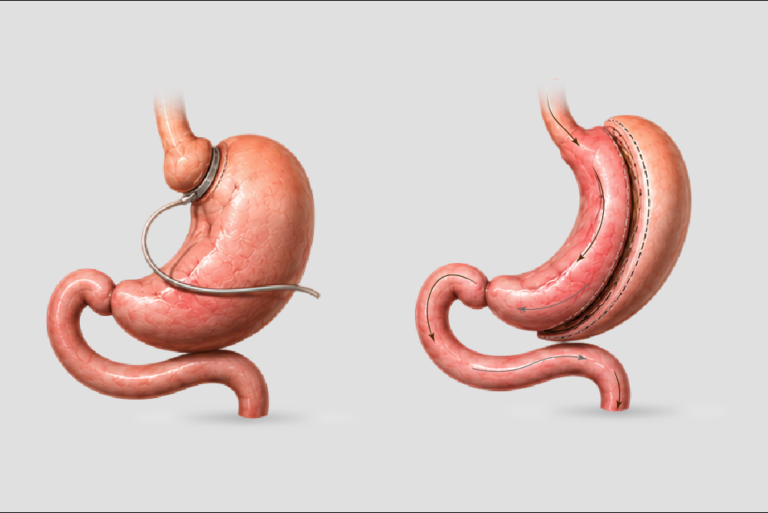
Sleeve Gastrectomy: A procedure that reduces stomach volume and influences hormonal pathways related to hunger and satiety.²²
Gastric Bypass: A procedure that alters both stomach anatomy and digestive pathways, resulting in significant weight-loss and metabolic benefits.²³
Adjustable Gastric Banding: Adjustable gastric banding involves placing a band around the upper portion of the stomach to help patients control portion sizes and support gradual, sustainable weight loss. Unlike irreversible procedures, gastric banding offers adjustability and reversibility, making it an option that may appeal to selected patients seeking a personalized surgical approach.²⁴
The Future of Obesity Treatment: Personalized Care
Perhaps the most important lesson from modern obesity medicine is that no single treatment works for everyone.
Increasingly, healthcare professionals are adopting personalized care pathways that may combine:
- Nutrition counseling
- Behavioral therapy
- Physical activity programs
- GLP-1 medications
- Bariatric interventions
- Long-term follow-up care²⁵
In some cases, medications may serve as a bridge to surgery. In others, surgical interventions may be supplemented by medical therapies to support long-term success. The future is not about choosing one intervention over another; it is about matching the right intervention to the right patient at the right time.
Conclusion
GLP-1 therapies have fundamentally changed the obesity-treatment conversation. They have demonstrated that targeting biological pathways involved in appetite regulation can help patients achieve meaningful weight loss while improving overall metabolic health.²⁶ Yet, obesity remains a chronic disease requiring long-term management and individualized care. While GLP-1 medications provide a valuable treatment option, they are not the only option. Lifestyle modification remains essential, and bariatric interventions including sleeve gastrectomy, gastric bypass, and adjustable gastric banding, continue to play an important role in comprehensive obesity management.²⁷
The most effective treatment is rarely the newest or most popular. Instead, it is the one that aligns with a patient’s health profile, medical needs, personal preferences, and long-term commitment to sustainable change. As obesity medicine continues to evolve, patients have more evidence-based options than ever before making informed decision-making, physician guidance, and personalized care the true cornerstones of successful weight management.